
Used Hyundai Venue Buying Guide for BC: Prices, Reliability, Mileage & Ownership Costs
The Venue is one of the cheapest routes to a warrantied, modern crossover — a first-car and city-commuter favourite. This guide covers everything a BC buyer should know: real prices, generations and engines, reliability and the known problems, how to judge kilometres, and what it truly costs to keep on the road.
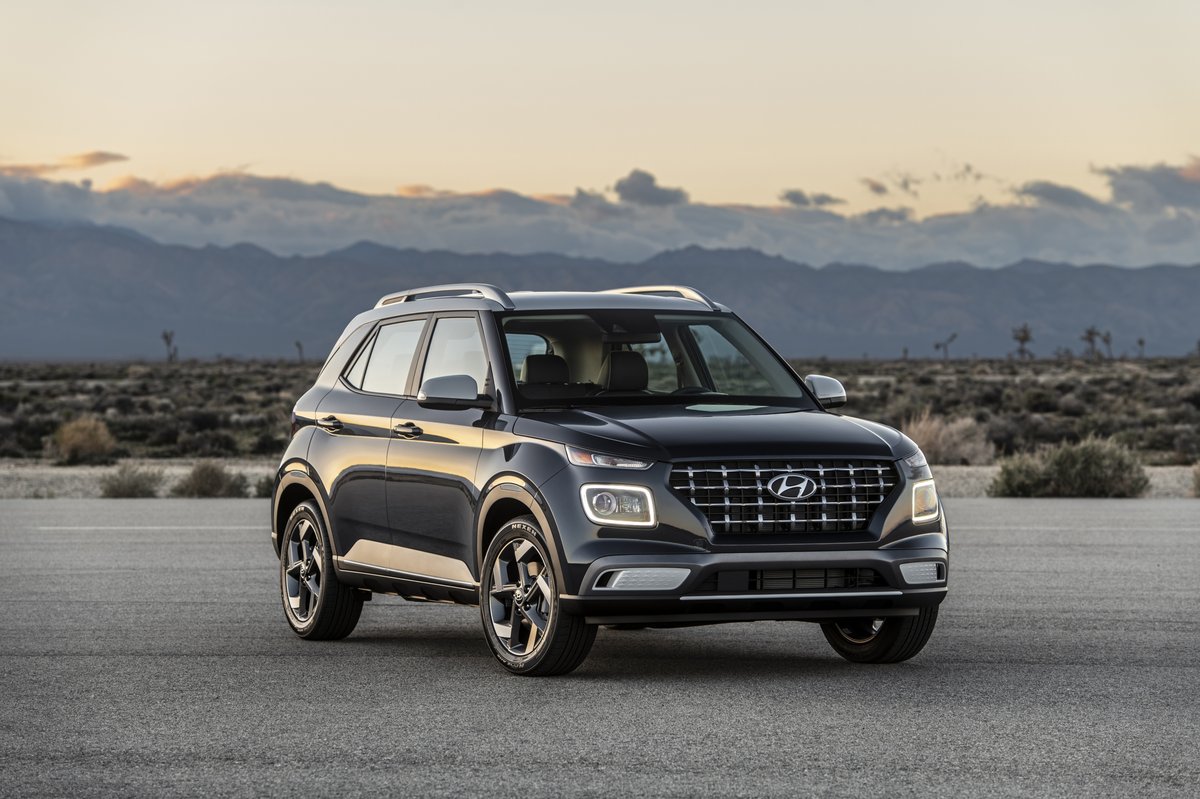
Overview: what the Hyundai Venue is actually like
A city specialist: tiny turning circle, light controls, painless parking. It's happiest under 90 km/h and honest about it. For the Lower Mainland grind — school runs, parkades, errands — it's exactly right.
Surprisingly upright and airy — you sit tall, see out easily, and the boxy shape gives usable 528 L cargo with seats down. An 8-inch touchscreen with CarPlay is standard on every trim. Rear seats suit kids and short-hop adults.
Generations and model years
| Years / generation | What to know |
|---|---|
| 2020–2025 Single generation (QX) | Micro-SUV on the Accent's bones; minor styling and feature updates in 2022+. |
Engines and drivetrains
| Engine | Our take |
|---|---|
| 1.6L 4-cylinder (121 hp) | Naturally aspirated with IVT — modest, unstressed, and economical. |
What a used Hyundai Venue costs in BC
| Model years | Typical BC asking price |
|---|---|
| 2020–2022 | $18,000–$23,000 |
| 2023–2025 | $21,000–$27,000 |
Spinny estimates of typical BC asking prices for clean, accident-free examples as of mid-2026. Kilometres, trim, and condition move prices meaningfully.
Which years to buy — and what to check
Target:
- Any year — the formula is unchanged; buy on condition and kilometres.
- Preferred trim adds heated seats and safety kit worth having in BC.
Check carefully:
- No AWD is offered — fine for the Lower Mainland, think twice for the mountains.
- Modest highway power; drive your typical route before deciding.
Reliability: how the Hyundai Venue holds up
Simple recipe, few problems: one NA engine, FWD only, no turbo, no AWD hardware. Venue issues are mostly wear-and-tear items; the platform is shared with the Accent/Rio, both known for long, cheap service lives.
Known problems and what they cost
Modest highway power
Not a defect, but a fit check: merging fully loaded takes planning. Test your real routes.
IVT service
Same note as every CVT-type box — fluid by ~80,000 km, records matter.
Rear drum brakes (base trims)
Cheap to service but check adjustment; handbrake travel tells the story.
Thin sound insulation
Coarse pavement noise is noticeable — again, test drive on your roads.
Mileage: how many kilometres is too many?
Expected lifespan: 250,000–300,000 km is realistic — these are low-stress drivetrains.
Most used Venues are still young (2020+), so kilometres are low; prioritize one-owner local cars. At this price point condition beats specification every time.
Maintenance and ownership costs
Plan on $350–$600/yr — genuinely one of the cheapest vehicles to run. Typical BC shop prices for the big items:
| Service item | Typical BC cost |
|---|---|
| Oil change | $80–$110 |
| Front brakes | $350–$500 |
| Tires (set of 4, small 15–17") | $550–$850 |
| IVT fluid service | $150–$200 |
Fuel: ~7.5 L/100 km combined. Insurance: mainstream ICBC class — get a quote with your driver factor before you buy.
Who it's for — and who should skip it
Great fit if:
- City drivers who want SUV seating without SUV costs
- First cars and student budgets
- Anyone downsizing from a thirsty older SUV
Look elsewhere if:
- Frequent highway trips over the Coquihalla — you'll want more power
- You need AWD — never offered
- Growing family with big-kid gear — one size up (Kona) fits better
Our verdict
The Venue is honest, modern, cheap transport with a tall seating position. Buy the cleanest one-owner example you can find and enjoy the lowest running costs in the SUV aisle.
The BC used-car checklist
- CARFAX Canada report — accidents, claims, liens, and where the car has lived. Free with every Spinny vehicle.
- Recall check — confirm open recalls are done (we verify this on intake).
- Mechanical inspection — never skip it on a private sale; ours is a 150-point inspection before listing.
- ICBC quote first — get your actual premium before committing, not after.
- Test your real route — highway merge, a parkade, and your daily commute tell you more than a lap of the block.
Where to find one
We stock Hyundai Venues regularly, and every one is Spinny Assured — 150-point inspected, 6-month warranty, 7-day exchange, CARFAX included. If nothing in stock fits, tell us what you want and we’ll source it at dealer-only auctions, usually within 1–2 weeks.
See our used Hyundai Venue page →
Also worth a look: Hyundai Kona · Toyota Corolla · Honda Civic.
FAQ
What's the best year for a used Hyundai Venue?
Any year — the formula is unchanged; buy on condition and kilometres.
Is the Hyundai Venue reliable?
Simple recipe, few problems: one NA engine, FWD only, no turbo, no AWD hardware. Venue issues are mostly wear-and-tear items; the platform is shared with the Accent/Rio, both known for long, cheap service lives.
How many kilometres is too many on a used Hyundai Venue?
Most used Venues are still young (2020+), so kilometres are low; prioritize one-owner local cars. At this price point condition beats specification every time. As a rule, expect 250,000–300,000 km is realistic — these are low-stress drivetrains.
How much does Hyundai Venue maintenance cost per year?
Budget $350–$600/yr — genuinely one of the cheapest vehicles to run. Typical BC shop prices: oil change around $80–$110; front brakes around $350–$500; tires (set of 4, small 15–17") around $550–$850.
How much does a used Hyundai Venue cost in BC?
Typical BC asking prices run from about $18,000 to $27,000 depending on year, kilometres, and trim. These are Spinny estimates for clean, accident-free examples as of mid-2026.