
Buying a Car in Washington State and Bringing It to BC in 2026: The 25% Surtax, RIV Fees and Whether It Still Pays
Since April 2025, a US-built vehicle imported by a BC resident pays Canada's 25% surtax on 85% of its value, and the 2026 remission order excludes personal imports. Here is the VIN test that tells you whether your car is affected, the landed cost line by line, and the BC price you would have to beat.
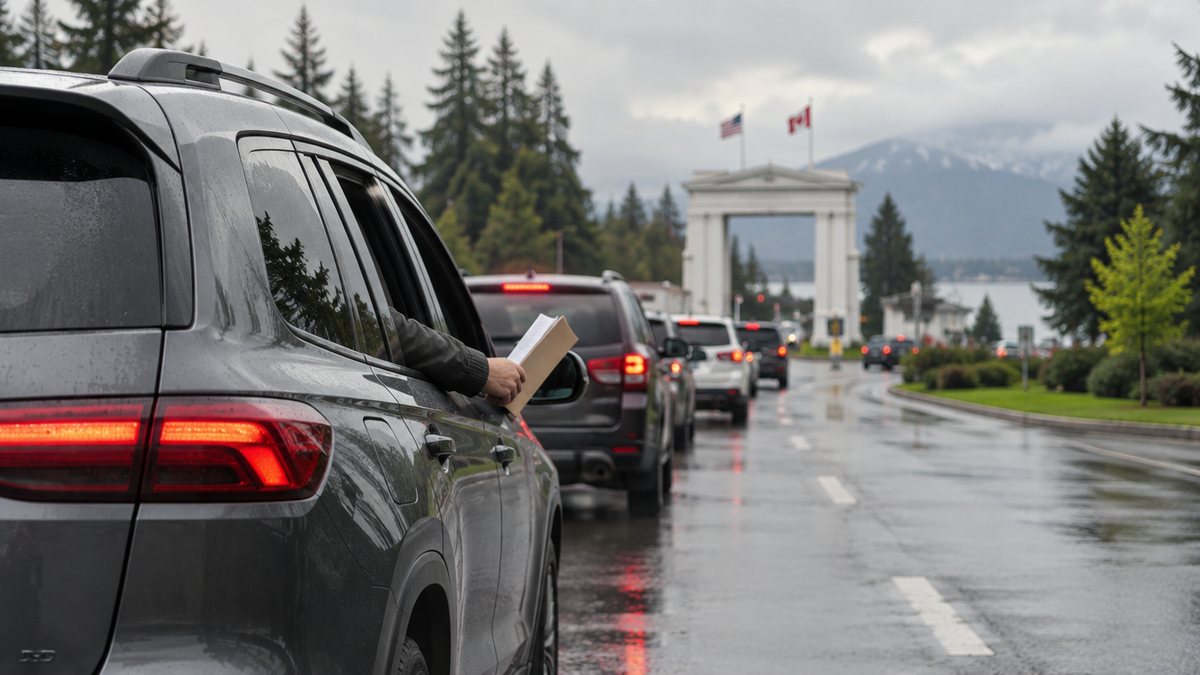
1. Is it still cheaper to buy a car in Washington and bring it to BC?
As of late September 2026, rarely. Any vehicle built in the United States pays Canada's 25% surtax on 85% of its value when a BC resident imports it, and the 2026 remission order excludes personal imports. Only Canadian-built, Mexican-built or some overseas-built cars can still come out ahead, and usually by less than expected.
For years the Bellingham run made sense: lower US prices and no duty on North American cars. Since April 9, 2025, the first question is "where was it built?" Figures below were checked against primary sources on September 28, 2026.
2. What changed: the surtax, the remission order and the August 2026 escalation
Three dates explain why the old rule stopped working.
- April 9, 2025. The United States Surtax Order (Motor Vehicles 2025) took effect, imposing a 25% surtax on motor vehicles that originate in the United States. For CUSMA-qualifying vehicles, the surtax applies to the value minus the Canadian and Mexican content, with a default deduction of 15%.
- April 9, 2026. Ottawa introduced a remission order for some importers. CBSA Customs Notice 26-10 limits it to importers whose business numbers are listed in its schedule, and states plainly: "This Remission Order does not apply to personal importations."
- August to September 2026. Canada-US talks broke down. On August 24, 2026, President Trump announced 50% tariffs on Canadian auto and steel imports starting January 1, 2027, CBS News reported. Canada's new counter-tariffs on other US goods took effect September 8, and customs broker GHY International notes the existing auto counter-tariffs stay in place alongside them.
As of late September 2026, nothing on the public record suggests the vehicle surtax will be lifted soon.
3. The 10-second VIN test: is your car US-built?
CBSA's guide for travellers says "Tariffs on US goods are based on where the goods were made, not where they were purchased," and the burden of proving non-US origin is on you.
The first VIN character is the fast check:
- 1, 4 or 5: built in the United States. Some newer US plants also use 7 (for example, Honda's Indiana plant).
- 2: built in Canada.
- 3: built in Mexico.
- J, K, W and other letters: built overseas (Japan, Korea, Germany and so on).
A Japanese badge does not mean Japanese assembly, and one model is often built in several countries. These 2020 examples come from the NHTSA VIN decoder, which shows the plant country for any VIN you enter.
| Model (2020) | VIN starts | Assembly plant | Surtax? |
|---|---|---|---|
| Toyota RAV4 | 2T3 | Woodstock or Cambridge, Ontario | No |
| Toyota RAV4 | 4T3 | Georgetown, Kentucky | Yes |
| Toyota RAV4 | JTM | Japan | No (duty may apply) |
| Honda CR-V | 2HK | Alliston, Ontario | No |
| Honda CR-V | 5J6 / 7FA | Ohio / Indiana | Yes |
| Honda Civic sedan | 2HG / 19X | Alliston, Ontario / Indiana | No / Yes |
| Toyota Tacoma | 3TM / 5TF | Tijuana, Mexico / San Antonio, Texas | No / Yes |
| Chevrolet Silverado 1500 | 3GC / 1GC | Silao, Mexico / Fort Wayne, Indiana | No / Yes |
| Ford F-150 | 1FT | Dearborn, Michigan or Kansas City, Missouri | Yes |
Plant data from NHTSA's vPIC decoder for 2020 model-year VIN patterns. Plants change by model year; always decode the specific VIN before you pay a deposit.
4. The landed cost, line by line, on a $25,000 USD SUV
Here is what a BC resident pays to bring home a $25,000 USD compact SUV from a Washington dealer, US-built versus Canadian-built.
| Line | US-built (VIN 1, 4, 5) | Canadian-built (VIN 2) | Basis |
|---|---|---|---|
| Price in Canadian dollars | $35,420.00 | $35,420.00 | $25,000 USD × 1.4168 |
| Customs duty | $0 | $0 | North American-built, personal use |
| Surtax | $7,526.75 | $0 | 25% × 85% × $35,420 |
| A/C excise tax | $100.00 | $100.00 | Flat, any car with A/C |
| GST at the border | $2,152.34 | $1,776.00 | 5% of price + surtax + excise |
| RIV fee | $341.25 | $341.25 | $325 + 5% GST |
| BC PST at ICBC | $3,013.27 | $2,486.40 | 7% of price + surtax + excise ($43,046.75 / $35,520) |
| Landed total | $48,553.61 | $40,123.65 |
Example only. Exchange rate is the Bank of Canada rate for September 28, 2026 (1.4168); CBSA and your bank use their own. Not included: trip permit, export broker, provincial inspection, repairs or modifications, travel and time. RIV fee shown with GST only. Green levy assumed nil (applies only to passenger vehicles rated 13 L/100 km or more). PST assumes ICBC accepts your price paid; if the Canadian Black Book average wholesale value is higher, PST is charged on that instead.
Where each number comes from.
- Surtax. CBSA's traveller guide applies 25% to 85% of the value for duty on personal-use vehicles. Its own example: a $50,000 vehicle pays $10,625.
- Duty. CBSA's Memorandum D19-12-1 says duty is assessed on vehicles made outside the US and Mexico. Brokers such as BorderBuddy put that duty at 6.1%. On the Japanese-built RAV4 above, 6.1% would add about $2,161 of duty, plus the GST and PST charged on it, for a landed total near $42,544.
- Excise. The CRA's excise rate table sets $100 on vehicle air conditioners and a green levy of $1,000 to $4,000 on fuel-inefficient passenger vehicles; pickups are excluded.
- RIV fee. $325 plus applicable sales tax, per CBSA Customs Notice 20-26, for vehicles under 15 years old. We show it with 5% GST.
- PST. Bulletin PST 308 (revised August 2026) sets 7% for passenger vehicles imported into Canada under $55,000, rising to 8%, 9%, 10%, 15% and 20% in higher price bands. It is charged on the greater of the depreciated value and the average wholesale value, so a bargain price does not guarantee a bargain PST bill. For goods bought outside BC, Bulletin PST 310 says the purchase price includes customs and excise charges (but not GST), so the surtax and the A/C tax are taxed again at 7%.
The surtax line, plus the GST and PST charged on it, costs $8,429.96 on this one car ($7,526.75 + $376.34 + $526.87). That is the money that used to be the cross-border saving.
5. The number a BC dealer has to beat
Compare the landed total with what the same car costs at a BC dealer once tax is added. At a BC dealer you pay the advertised price, plus any documentation fee the ad discloses as extra, the $10 VSA transaction levy, and 12% tax (7% PST plus 5% GST) under $55,000.
| Imported car | Landed total | Break-even BC dealer price incl. doc fee, before tax |
|---|---|---|
| US-built, $25,000 USD | $48,553.61 | $43,341.44 |
| Japanese-built, $25,000 USD (if 6.1% duty applies) | $42,543.54 | $37,975.30 |
| Canadian-built, $25,000 USD | $40,123.65 | $35,814.69 |
Example: break-even price = landed total ÷ 1.12, minus the $10 levy. Check for the US-built car: ($43,341.44 + $10) × 1.12 = $48,553.61. Assumes a passenger vehicle under $55,000. If a doc fee is listed as extra, add it to the sticker price before comparing; on a Spinny car that means the listed price plus $495.
Even a surtax-free Canadian-built car only wins if comparable BC dealer cars cost more than about $35,815 including any doc fee, before you count inspection, modifications and the trip.
The trade-in difference. If you have a car to replace, a BC dealer deducts its value before PST and GST, as Bulletin PST 116 explains. Example: a $10,000 trade-in saves $1,200 in tax (12% × $10,000). An import gets no such credit, and you still have to sell your old car. Our guide to trade-in vs private sale in BC runs that comparison, and you can get a number for yours with an online trade-in appraisal.
A BC dealer price also includes things an import does not. Every Spinny Assured vehicle comes with a 150-point inspection, a 6-month warranty, a 7-day exchange and a CARFAX Canada report; see how Spinny Assured works. Spinny's $495 documentation fee, and why it belongs in the comparison, is explained in our guide to dealer documentation fees in BC.
Available right now
BC-plated vehicles in stock right now
Live from our New Westminster showroom. No surtax, no RIV: every one is Spinny Assured with a 150-point inspection, 6-month warranty and CARFAX.
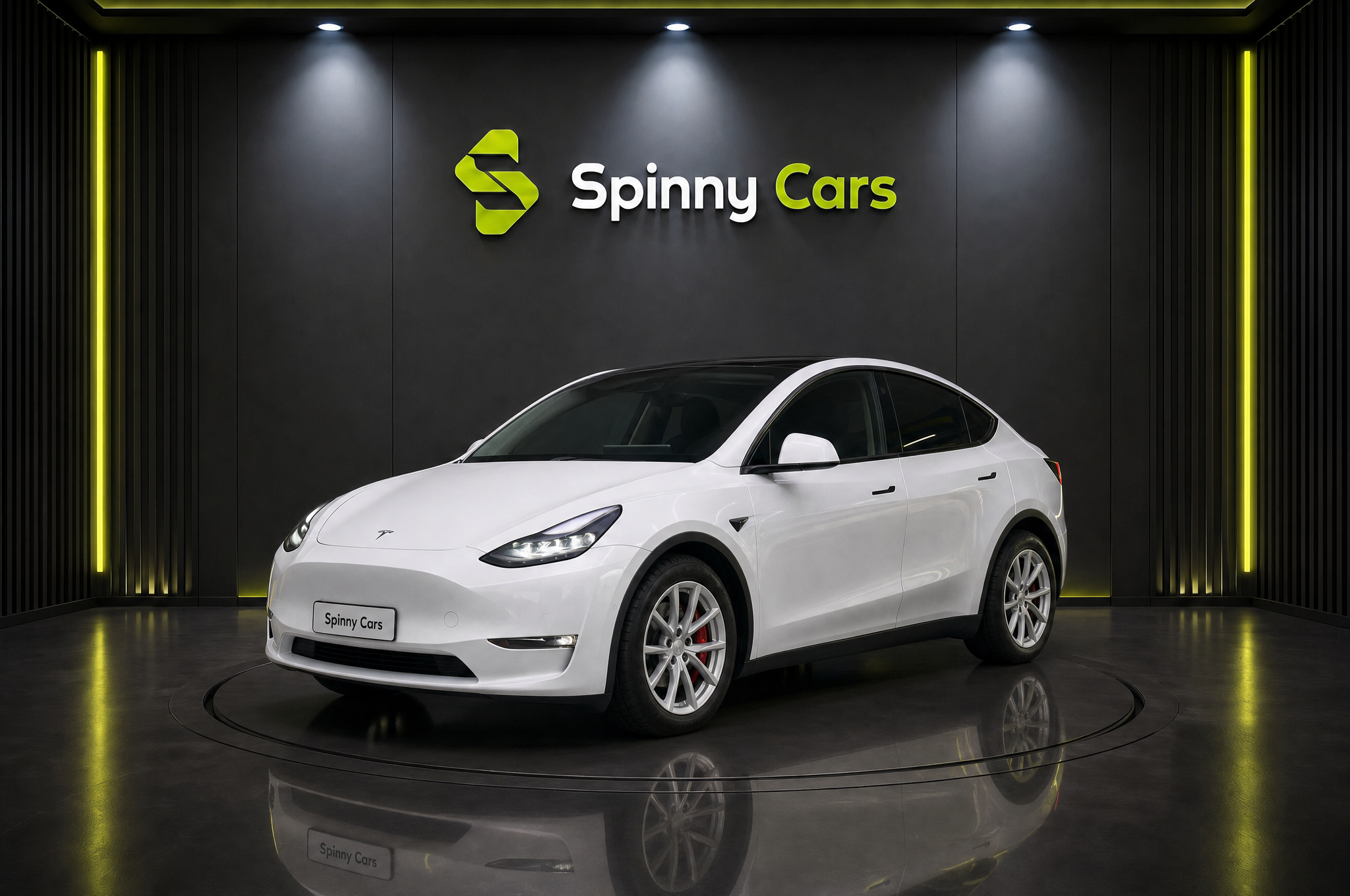 2021 Tesla Model Y Long Range AWD135,309 km • Electric$35,995
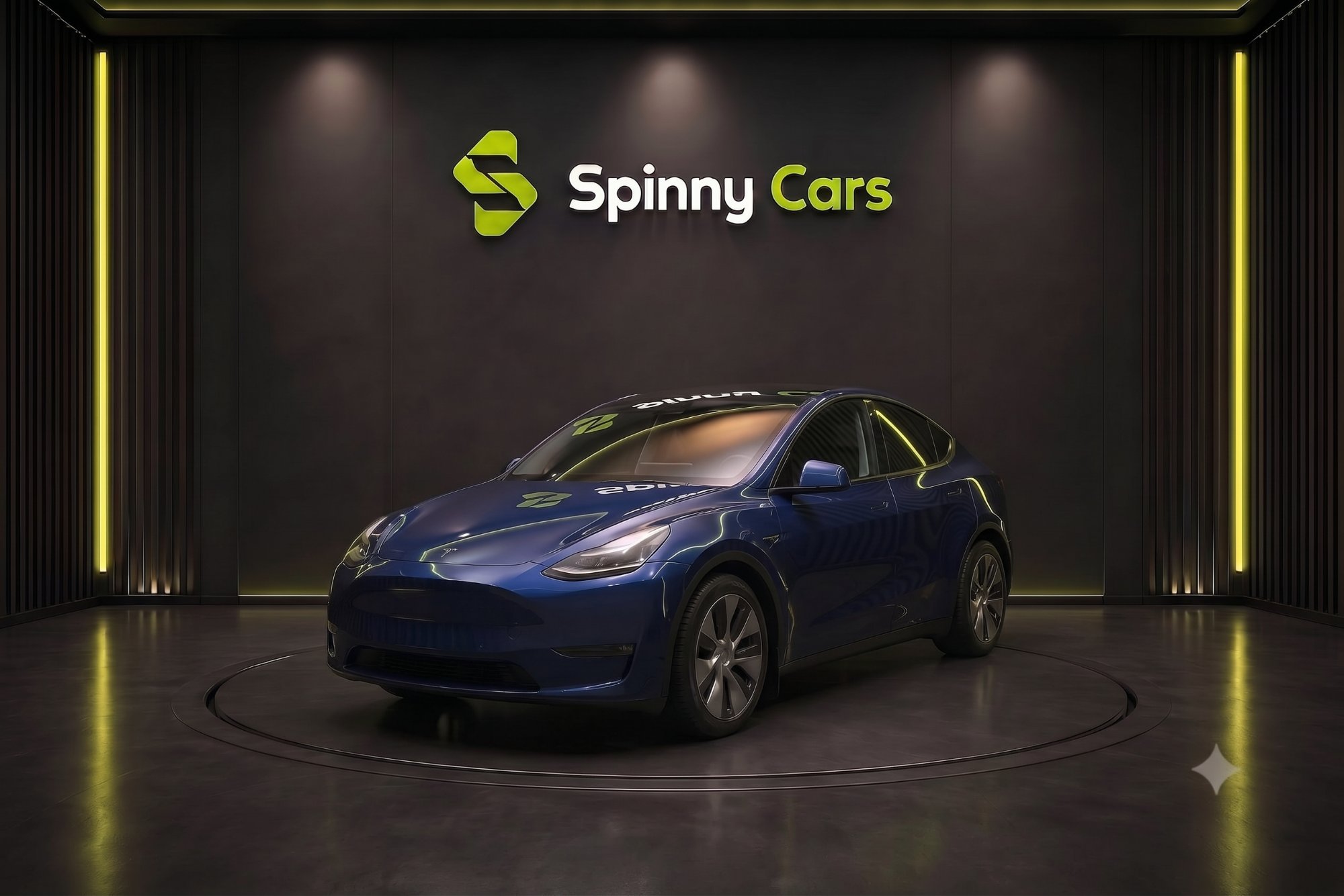 2023 Tesla Model Y Long Range No Accidents44,765 km • Electric$49,995
 2022 BMW X5 M Competition | No accidents, Local BC | Spinny Certified50,496 km • Gasoline$95,995
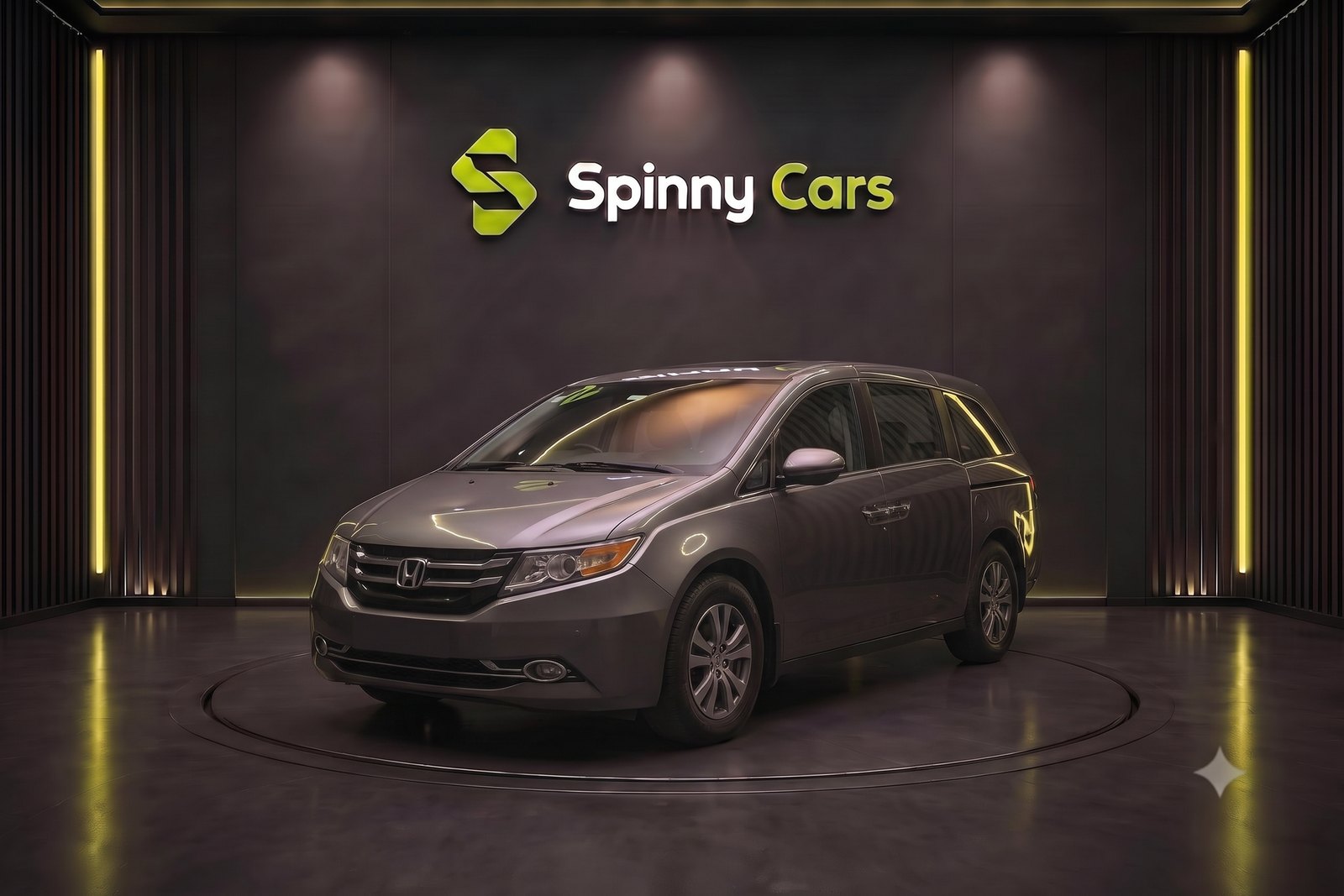 2017 Honda Odyssey SE130,725 km • Gasoline$20,995
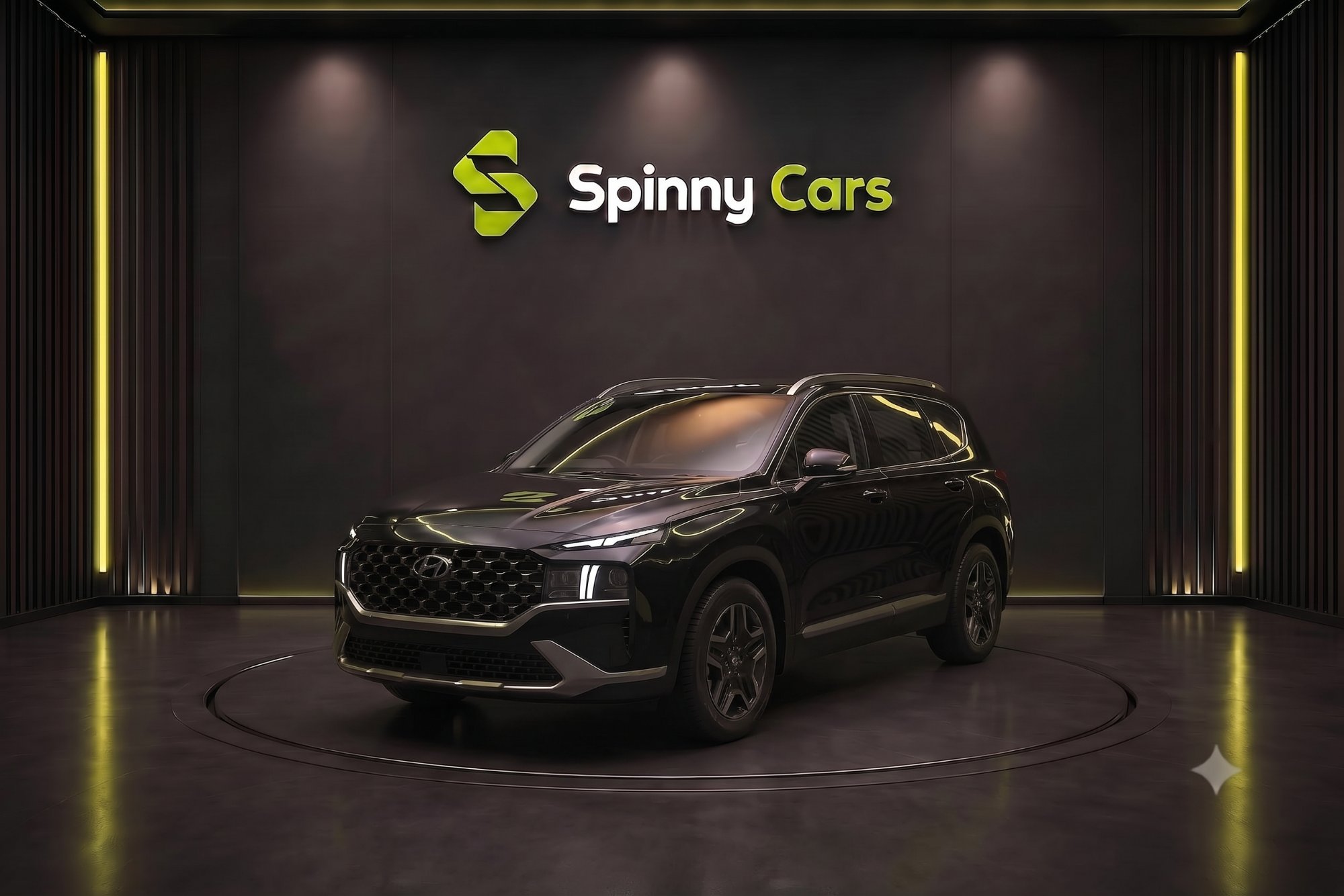 2022 Hyundai Santa Fe Essential102,145 km • Gasoline$21,995
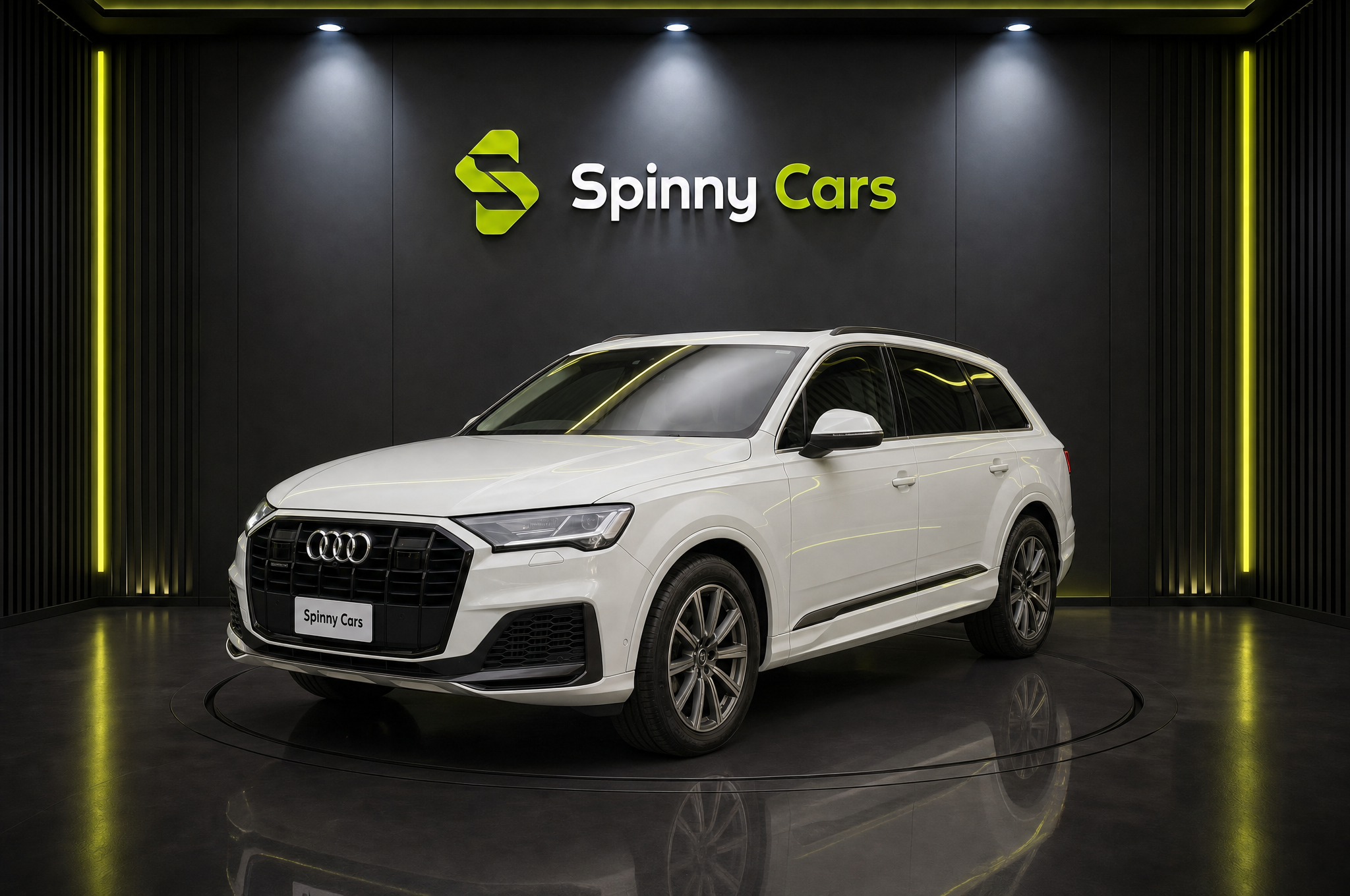 2021 Audi Q7 Progressiv 55124,600 km • Gasoline$31,995
6. If you still want to import: the steps from Washington to New Westminster
If the numbers still work, this is the sequence. Miss a step and the car can sit at the border or fail registration.
- Decode the VIN and check admissibility. Confirm the plant, then check Transport Canada's admissibility list. Being listed does not guarantee a pass.
- Get a recall clearance letter. Transport Canada says you must confirm the vehicle has no outstanding recalls and submit proof to the RIV before importation.
- Buy with clean title paperwork. You need the original title and bill of sale. A Washington dealer can skip state sales tax for a non-resident who takes the car straight out of state on a trip permit, under RCW 82.08.0264. The dealer must keep a copy of your out-of-state ID, proof of residency and a signed declaration.
- File with US Customs 72 hours ahead. CBP requires the title documents at least 72 hours before a vehicle leaves by land, and the car itself at the time of export.
- Declare it at the Canadian border. Complete the Vehicle Import Form (Form 1), pay the surtax, duty, excise and GST, and pay the RIV fee.
- Insure it for the drive. ICBC says to get a temporary "Binder for Owner's Interim Certificate of Insurance" from an Autoplan broker and an in-transit permit from the US state before driving into BC.
- Pass the RIV inspection within 45 days. Make any required changes first. Transport Canada names daytime running lights and immobilizers among Canada-specific requirements. Inspections are done at RIV-authorized locations, most of them Canadian Tire stores, according to BorderBuddy.
- Pass a BC provincial inspection, then register. ICBC requires a "passed" report from a designated inspection facility, Form 1 with two CBSA stamps, the CBSA receipt (B15, B3 or similar), the original title and bill of sale. PST is collected at registration through the Autoplan broker.
CBSA's memorandum says vehicles 15 years or older at import are not regulated under the Motor Vehicle Safety Act, so they skip the RIV process. The surtax is based on where the vehicle was built, not its age, so an older US-built classic still pays it.
8. Decision table: does importing make sense for your vehicle?
| Vehicle | Surtax | Verdict, late September 2026 |
|---|---|---|
| US-built pickup or SUV (VIN 1, 4, 5) | Yes, about 21.25% of value | Almost never worth it. Buy BC-plated. |
| Canadian-built (VIN 2), e.g. Ontario RAV4, CR-V, Civic | No | Maybe. Run the break-even against BC listings first. |
| Mexican-built (VIN 3), e.g. some Tacoma, Silverado | No | Maybe. Same break-even test. |
| Overseas-built (J, K, W...) | No | Usually marginal if the 6.1% duty applies. |
| US-built, 15 years or older | Yes | Only for a rare car you cannot find in Canada. No RIV, but the surtax still applies. |
General guidance as of late September 2026. Trade measures can change quickly; check CBSA before you buy.
If the answer is no, the same model is usually available in BC. Search our inventory, ask us to find a specific car for you, or get pre-qualified with a soft credit check before you shop. For how BC prices are moving this year, see our Q3 2026 Greater Vancouver used car price report.
Frequently asked questions
Is it cheaper to buy a car in the US and bring it to Canada in 2026?
Usually not for US-built cars. As of late September 2026, a personal import of a US-built vehicle pays a 25% surtax on 85% of its value, plus GST, the $325 RIV fee and BC PST: about $48,550 CAD landed on a $25,000 USD SUV.
Does the 25% surtax apply to used cars bought by individuals?
Yes. CBSA applies the 25% rate to 85% of the value for duty on vehicles imported by individuals for personal use, and Customs Notice 26-10 says the 2026 remission order does not apply to personal importations.
How do I know if a car is US-built?
Check the first character of the VIN: 1, 4, 5 and some 7s mean US-built, 2 means Canada, 3 means Mexico, and letters such as J, K or W mean overseas. Confirm the plant with NHTSA's free VIN decoder before paying.
Do I pay Washington sales tax as a BC resident?
A Washington dealer can sell to a non-resident without charging state sales tax under RCW 82.08.0264, if you provide out-of-state ID, proof of residency and a signed declaration, and the car leaves on a trip permit or is registered in your home jurisdiction right away. You then pay GST at the border and PST in BC.
How much is the RIV fee in 2026?
The Registrar of Imported Vehicles fee is $325 plus tax for vehicles under 15 years old, per CBSA Customs Notice 20-26. Vehicles 15 years or older are exempt from the RIV program.
What PST do I pay in BC on a car imported from the US?
Bulletin PST 308 sets 7% for imported passenger vehicles under $55,000, rising in bands to 20% at $150,000 and over. It is charged at ICBC registration on the greater of the depreciated value and the average wholesale value, and the purchase price for an import includes customs charges such as the surtax.
Will I get the surtax back if Canada and the US make a deal?
Do not count on it. Refunds come only through a remission order, and the current motor vehicle remission order excludes personal importations. Budget for the surtax as a permanent cost.
Can I register a US car in BC without the RIV inspection?
Not if it is under 15 years old. Provinces will not license a vehicle that has not passed the RIV inspection, and ICBC also requires a passed BC provincial inspection.
Sources & official references
This guide reflects our day-to-day experience at our New Westminster showroom and is cross-checked against official sources. Rules, rates and warranty terms change; always confirm current details with:
- Government of BC — Bulletin PST 308, Vehicles (PDF)
- Government of BC — Bulletin PST 116, Motor Vehicle Dealers (PDF)
- Government of BC — Bulletin PST 310, Goods Brought Into B.C. (purchase price includes customs and excise) (PDF)
- VSA — BC Transaction Levy (effective April 1, 2026)
- ICBC — PST on vehicles
- CBSA — Customs Notice 26-10, United States Surtax Remission Order (Motor Vehicles 2026); excludes personal importations
- Justice Laws — United States Surtax Order (Motor Vehicles 2025), SOR/2025-118
- CBSA — Canadian tariffs on certain US goods: how they apply at the border (personal vehicles: 25% on 85% of value)
- CBSA — Memorandum D19-12-1, Importing vehicles into Canada
- CBSA — Customs Notice 20-26, RIV program fee ($325 plus applicable tax)
- Transport Canada — Importing a vehicle from the United States and Mexico
- Transport Canada — FAQ, importing vehicles purchased in the United States
- Transport Canada — Vehicle import compatibility (admissibility) list, US vehicles
- ICBC — Import a vehicle into B.C. (Form 1, inspection, registration)
- U.S. Customs and Border Protection — Exporting a motor vehicle (72-hour rule)
- Washington State Legislature — RCW 82.08.0264, vehicle sales to nonresidents
- Canada Revenue Agency — current rates of excise taxes (A/C $100, green levy)
- NHTSA — VIN decoder (vPIC), plant country lookup
- Bank of Canada — daily exchange rates
- CBS News — Trump announces 50% tariffs on Canadian auto and steel imports from 2027 (Aug. 24, 2026)
- GHY International — Canada's new counter-tariffs on U.S. goods effective Sept. 8, 2026; auto counter-tariffs stay in place
Skip the border run
BC-plated, inspected and ready to register: every Spinny Assured car has a 150-point inspection, 6-month warranty, 7-day exchange and CARFAX. No surtax, no RIV.