
No Second Road Test in BC: What Class 5 Means for Your First Car
Since October 19, 2026, Class 7 novice drivers in BC with a clean record no longer take a second road test. A Driving Record Assessment replaced it, and the Class 5 licence that follows carries a 12-month zero alcohol and drug restriction. This guide covers who qualifies, what Class 5 does and doesn't change for ICBC insurance, and how to finance a first car with thin credit.
1. What changed on October 19, 2026
As of October 19, 2026, Class 7 novice (N) drivers with a clean driving record no longer take a second road test to move up to Class 5, according to ICBC's graduated licensing changes page. ICBC checks your record through a Driving Record Assessment instead. If you pass, you get a Class 5 licence with restrictions and drive under a 12-month restriction period.
A Driving Record Assessment is a review of your record, not a test behind the wheel. If your record meets the rules, you move to Class 5. If it doesn't, you keep your N until it does.
Drivers 25 and older get the biggest change. Under the changes announced in the BC government's July 2026 news release, their learner stage dropped from 12 months to 9 and their novice stage from 24 months to 12. The changes also lowered the age at which you can apply for a licence without a parent's consent from 19 to 18 and added an immediate-family exemption to the passenger limits. The government's backgrounder said the change leaves Ontario as the only Canadian jurisdiction that still requires an exit road test.
| What | Before October 19, 2026 | From October 19, 2026 |
|---|---|---|
| Final step to Class 5 | Second road test | Driving Record Assessment (or a one-time automatic upgrade for drivers ICBC told by letter) |
| Novice stage (safe driving), under 25 | 24 months (18 with an ICBC-approved GLP course), then a second road test | Unchanged: 24 months (18 with an ICBC-approved GLP course completed as a learner), then a Driving Record Assessment |
| Learner stage, 25 and older | 12 months | 9 months |
| Novice stage, 25 and older | 24 months | 12 months |
| Licence you get | Class 5 with no new-driver restriction | Class 5 with restrictions: Restriction 55 (zero alcohol and drugs) for 12 months |
| Parent consent to apply for a licence | Needed under 19 | Needed under 18 |
Sources: ICBC, ICBC (automatic upgrade and Restriction 55) and the BC government, checked October 31, 2026.
2. Am I eligible for the Driving Record Assessment?
Use this checklist, based on ICBC's eligibility rules. You need all of these:
- Under 25: 24 months of safe driving on your Class 7, or 18 months if you completed an ICBC-approved GLP (Graduated Licensing Program) course during the learner phase. ICBC's rule says completed, so a course you started but didn't finish won't shorten the wait.
- 25 or older: 12 months of safe driving on your Class 7.
- No excessive-speed convictions and no electronic-device convictions (for example, using a phone while driving) during that time.
- No driving prohibitions or licence suspensions during that time.
Break one of those rules and the clock restarts. The BC government says an excessive-speed or electronic-device conviction restarts your novice period. ICBC says a prohibition or suspension resets it, so you'd need a fresh 24 months (18 with the course) if you're under 25, or 12 months if you're 25 or older. ICBC also notes that other things, such as money owed to ICBC, can affect whether you can upgrade.
Ordinary tickets matter too. They add penalty points, and RoadSafetyBC's Driver Improvement Program steps in at lower point totals for new drivers. If that ends in a driving prohibition, your clock restarts.
The one-time automatic upgrade
Before the change, ICBC sent letters to drivers who qualified for a one-time automatic upgrade to Class 5 with restrictions, with no office visit needed, according to ICBC. Those drivers kept their eligibility only if no prohibition, suspension, excessive-speed conviction or device conviction appeared on their record between the letter date and October 19. If their Class 7 licence had expired, they needed to renew it before the upgrade could happen.
If you were upgraded, your driving record shows your new class. A new card is optional: ICBC charges $17 to replace it, and the replacement keeps the old card's expiry date.
If your second road test was booked
Second road tests scheduled for October 19, 2026 or later were cancelled, and ICBC said it would email drivers to confirm next steps, as Daily Hive reported the day before the change. If you had one booked and haven't heard anything, check your email (including spam), then contact ICBC.
How to get your assessment
If you weren't upgraded automatically, visit a driver licensing office by appointment or as a walk-in once you meet all the criteria in the checklist above. ICBC suggests calling its Account Services team first if you think you owe ICBC money. The BC government says the assessment is available at ICBC driver licensing offices, Service BC offices and driver licensing agents. Online booking only works for ICBC driver licensing offices, according to ICBC. Choose "Driving Record Assessment" as the service.
The fee depends on timing. ICBC's page for Class 7 drivers under 25 lists $17 if you upgrade as soon as you're eligible, or $75 if you wait until your licence is close to expiring.
3. Will Class 5 lower my ICBC insurance?
Not by itself. The driver part of an ICBC premium depends on who drives the car, how long they've been driving and their crash history, according to ICBC. How you use the car and where you live matter too. ICBC's page for learners says drivers start to build driving experience once they have their N licence. Moving from Class 7 to Class 5 doesn't restart that clock, and it doesn't add years you haven't driven.
Here's what does move your premium, per ICBC's driving experience and crash history page:
- Years of experience. ICBC recognizes up to 40 years of driving experience for Basic insurance discounts, and each additional year earns more discount.
- At-fault crashes. ICBC reviews at-fault crashes back to March 1, 2017. From 2027 the look-back becomes a rolling 10 years.
- Convictions. Two minor convictions or one serious conviction, for offences that occurred on or after June 10, 2019, can raise your Collision and Extended Third Party Liability premiums.
- Who's listed on the policy. The driver part of the premium is 75% based on the principal driver and 25% on the highest-risk listed driver.
One more detail for families with a learner at home: learners don't affect the Basic premium, but listing them adds a separate learner premium, according to ICBC.
Every car and driver is different, so get a quote from an Autoplan broker on the exact vehicle before you buy. For a broader look at what drives the price, read how much ICBC insurance costs in BC.
4. Should the car be in my name or my parents'?
The principal driver is the person who drives the car the most. Since 75% of the driver part of the premium is based on that person, per ICBC, it's tempting to list an experienced parent instead of the new driver. Don't. List whoever actually drives the car most. If that's you, you should be the principal driver, and your broker can explain the consequences of getting it wrong.
If you mostly borrow the family car, being a listed driver on a parent's policy can still work. Remember the 25% rule: as the newest driver, you may be the highest-risk driver listed, which affects the price.
When buying in your own name makes sense
- You'll be the one driving it most days, for school, work or shifts.
- You have steady income to cover the payment, insurance, fuel and upkeep.
- You want your own loan, which, paid on time, can help build a credit history.
- Your parents need their own car every day, so sharing isn't practical.
Parents handing down the family car and replacing it with something newer can sell or trade, and see what it's worth before deciding. Our guide to trade-in vs private sale in BC compares both routes. For what you'll sign at purchase, see car buying paperwork in BC.
5. Which first cars are cheaper to insure and run?
For a new driver, a modest compact car usually makes the most sense. It's easier to park, lighter on fuel and simpler to budget for. High-powered sports cars and luxury models tend to cost more to insure and repair, so they're usually a poor fit for a first car.
Good first-car types to shortlist:
- Compact hybrids such as the Toyota Corolla Hybrid and Honda Civic Hybrid, for low fuel use in city traffic. See our Corolla guide and Civic guide.
- Compact sedans such as the Mazda3, Hyundai Elantra and Volkswagen Jetta. Read the Elantra buying guide.
- Small SUVs such as the Hyundai Venue, Nissan Kicks and Kia Seltos, for a higher seating position and more cargo room. See the Venue guide.
- AWD compacts such as a Corolla Hybrid with AWD (offered in Canada from the 2023 model year, per Auto123), if you'll drive to the Interior or up the Sea-to-Sky. Check the BC winter tire law too.
Before you commit, get insurance quotes on two or three of your favourites. The difference between models can be bigger than you expect. For more ideas, see best first cars for students in BC and fuel-efficient used cars in the Lower Mainland, or browse used cars under $20,000.
6. Can I finance a first car with thin or no credit?
Often, yes. Thin credit means you have little or no borrowing history, which is common for students, young drivers and newcomers to Canada. Lenders can't rely on a long record, so they look harder at other things:
- Income and stability. Pay stubs, an employment letter, and how long you've been at your job and address.
- Down payment. Putting money down lowers the amount you borrow and shows commitment. See down payment examples for BC.
- A co-signer. A parent or relative with established credit can co-sign. They become responsible for the loan if you don't pay, so treat it as a serious promise.
- A realistic budget. Add insurance, fuel, parking and maintenance to the monthly payment. Our guide on how much car you can afford in BC walks through it.
If you're a newcomer building Canadian credit from scratch, read newcomer car financing in BC and, if you're still on an overseas licence, buying a car in BC with a foreign licence.
Approval is never guaranteed, but checking where you stand is easy. You can pre-qualify online before you shop. More detail is on our no-credit car loan page.
7. The 12-month restriction: what to avoid
Skipping the road test comes with a catch. For 12 months after your upgrade, your Class 5 licence carries Restriction 55: zero alcohol and zero drugs in your blood while driving, according to ICBC. The BC government says any violations during that time get greater scrutiny than they would for an experienced driver.
The restriction ends on its own after 12 months; its expiry date is printed on the back of your licence. A prohibition or suspension restarts the 12 months from the date your licence is reinstated.
Tickets also hit your wallet. Two minor convictions or one serious conviction, for offences on or after June 10, 2019, can raise your Collision and Extended Third Party Liability premiums, according to ICBC. An at-fault crash also counts in ICBC's crash history review. One bad month can cost you for years.
Simple habits help:
- Put your phone out of reach or on driving mode before you start.
- Plan a ride home whenever alcohol or cannabis is involved, even a small amount.
- Leave extra following distance on wet roads in fall and winter.
Still on your N? If you're under 25, you still display the N sign while you hold a Class 7 licence. You can carry one passenger unless they're all immediate family or a qualified supervisor sits beside you. From October 19, 2026 that supervisor can be as young as 22, but they need a Class 5 licence without Restriction 55, according to ICBC's page for Class 7 drivers under 25. Class 7 drivers 25 and older no longer need to display the N sign or have a supervisor to carry more than one passenger, according to ICBC's page for Class 7 drivers 25 or older.
8. Step-by-step checklist for your first car
- Check your eligibility. Count your months of safe driving and confirm you've had no excessive-speed or electronic-device convictions, prohibitions or suspensions during that time.
- Check your licence status. If ICBC upgraded you automatically, your record already shows Class 5. If not, book a Driving Record Assessment.
- Decide whose name the car goes in. Be honest about who the principal driver is.
- Set a full monthly budget. Include the payment, insurance, fuel, parking and maintenance.
- Shortlist two or three cars and get an insurance quote on each.
- Get pre-qualified so you know your price range before you shop.
- Check the history and condition. Ask for the CARFAX Canada report (included with every Spinny Assured vehicle) and use our used car inspection checklist.
- Book a test drive on roads you'll actually use: hills, highway and tight parking.
9. How this works at Spinny Cars
Spinny Cars is a used car dealership at 240 12th Street in New Westminster, licensed by the Vehicle Sales Authority of BC (VSA Dealer #D50318). The showroom is a short walk from New Westminster SkyTrain Station, which is handy if you don't have a car yet, and there's free customer parking on site.
Financing for a first car. Spinny sends one finance application to several BC lenders and has options for every credit situation, including new credit, newcomers to Canada, past bankruptcy and rebuilding credit. Approval is never guaranteed. Pre-qualifying online at spinny.ca/get-approved involves no credit check and doesn't affect your credit score; a full application with a lender usually involves a hard credit check.
Peace of mind for new owners. Spinny Assured vehicles get a 150-point inspection, a 6-month warranty on major mechanical components, a 7-day exchange for another Spinny Assured vehicle, and a CARFAX Canada vehicle history report. Vehicles sold as-is aren't part of the program.
For parents. Spinny buys cars outright, with no purchase needed, and takes trade-ins. A trade-in's value comes off the price of the next car, which reduces the PST you pay in BC. Start at sell or trade your car.
Spinny arranges delivery across BC, including Vancouver Island and the Interior. Hours are Monday to Saturday 10:00am to 8:00pm and Sunday 11:00am to 6:00pm. Call or text 778-852-1023.
Available right now
First cars in stock right now
Live from our New Westminster showroom. Every Spinny Assured car has a 150-point inspection, 6-month warranty, 7-day exchange and CARFAX.
 2025 Toyota Corolla LE | No Accidents, Local BC8,451 km • Gasoline$27,995
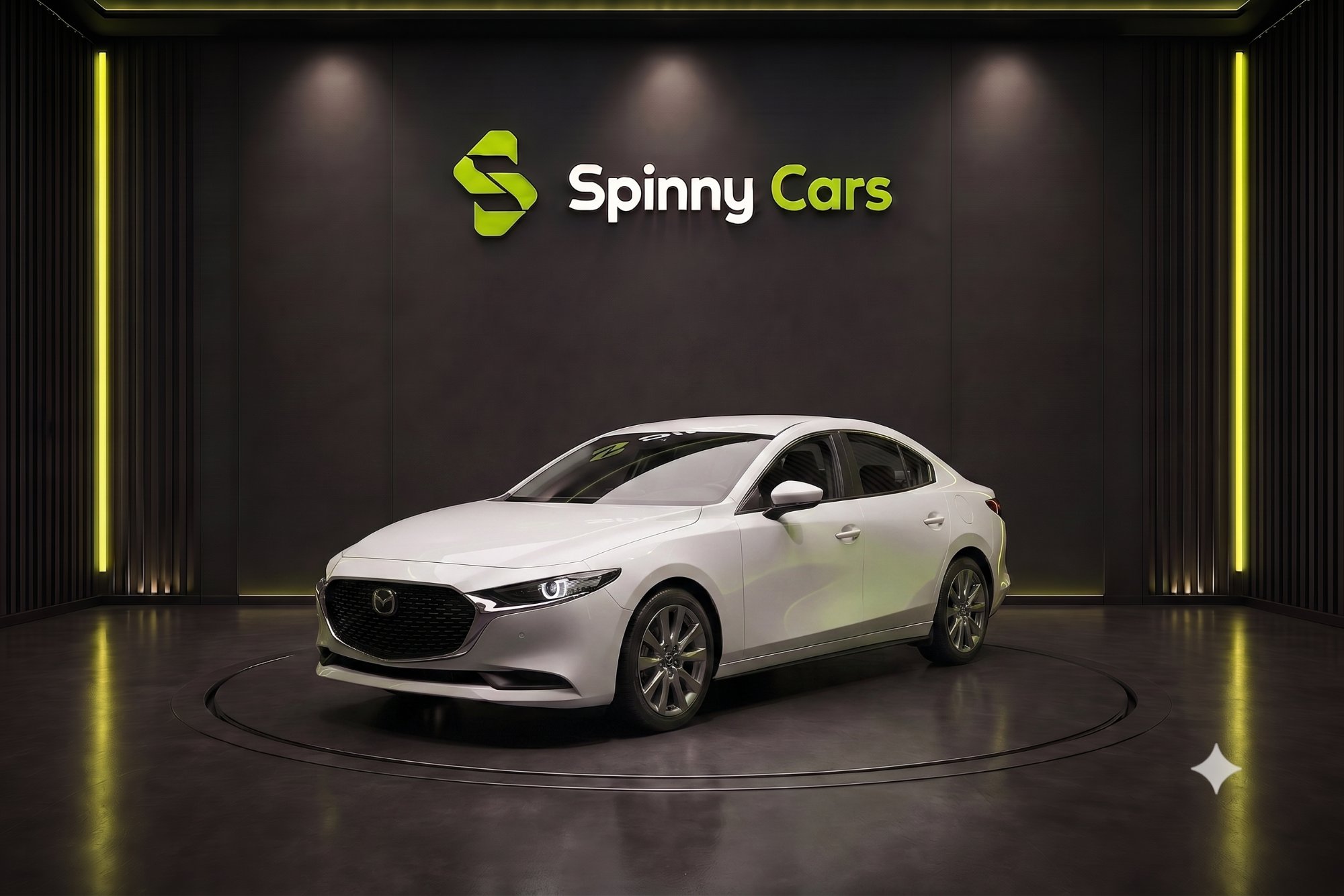 2025 Mazda Mazda3 GS | Brand New435 km • Gasoline$29,995
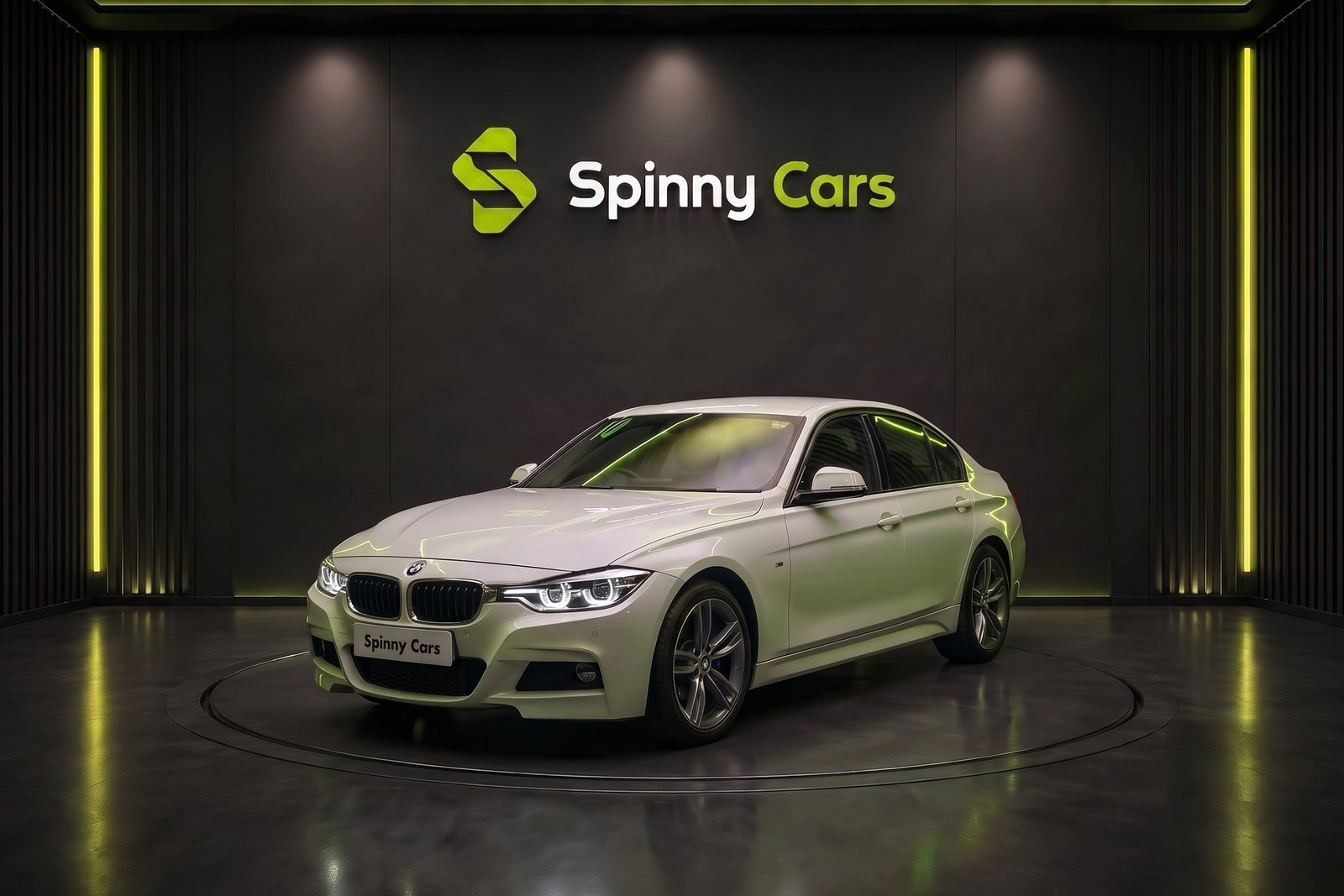 2018 BMW 330i M Sport105,124 km • Gasoline$19,995
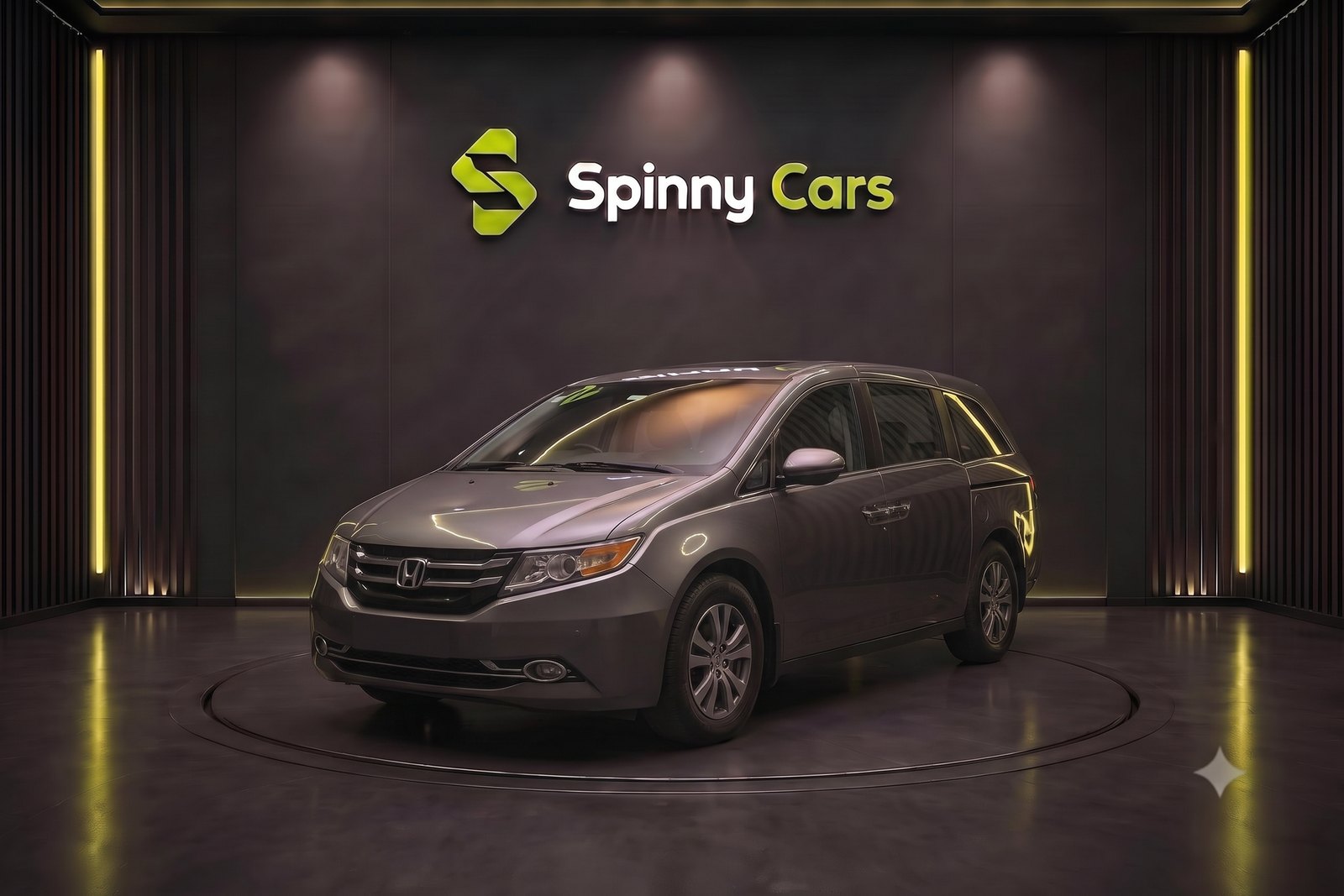 2017 Honda Odyssey SE130,725 km • Gasoline$20,995
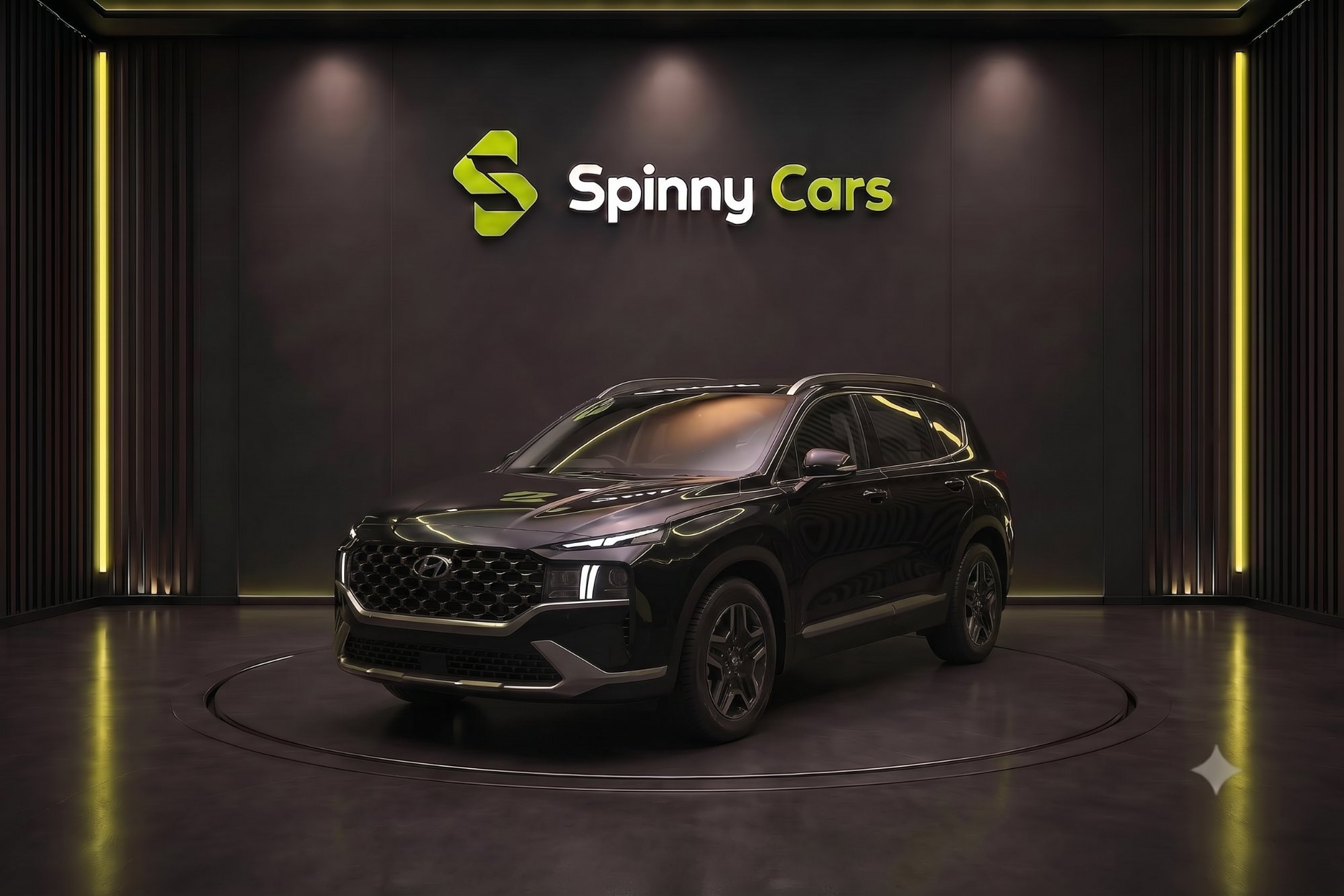 2022 Hyundai Santa Fe Essential102,145 km • Gasoline$21,995
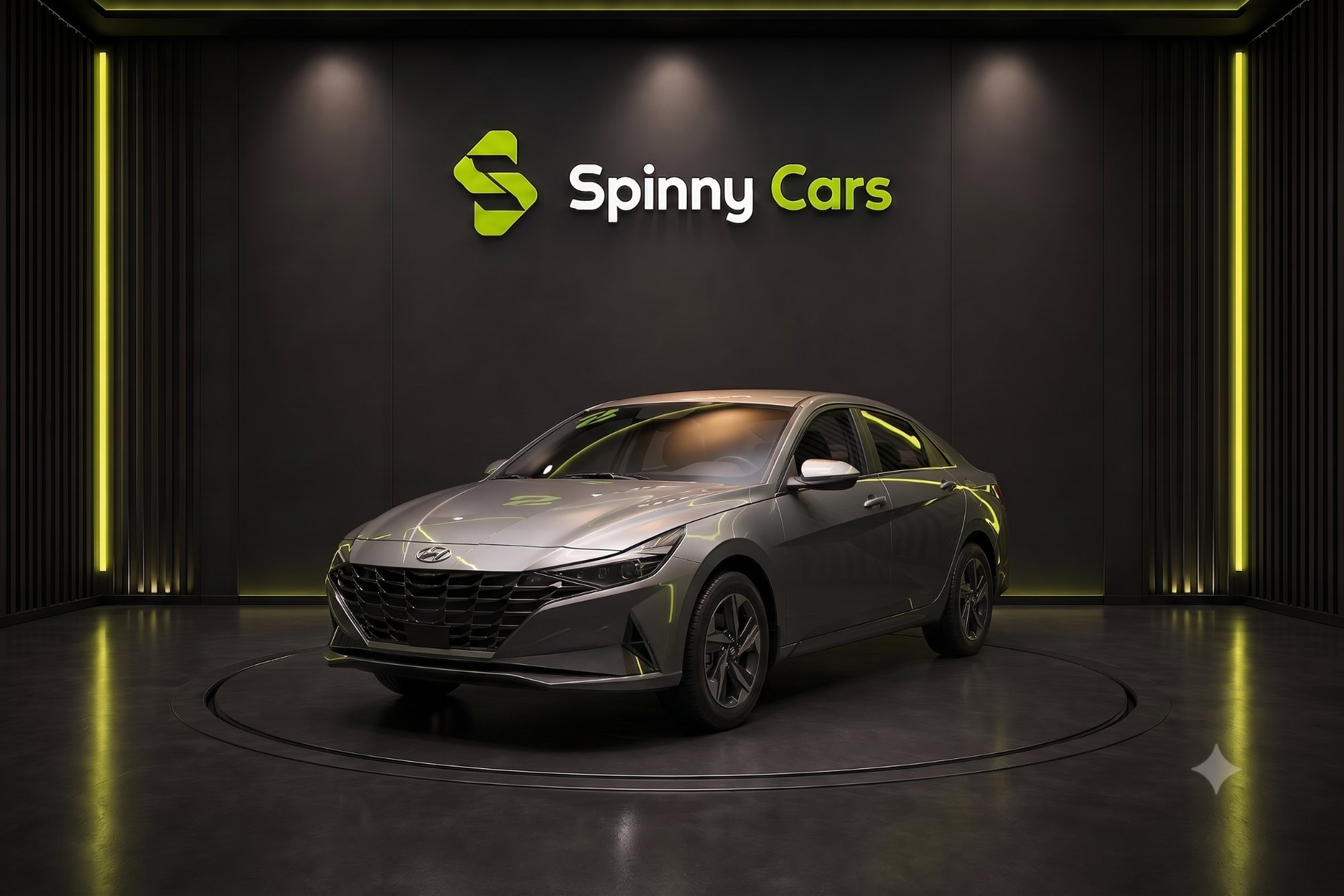 2023 Hyundai Elantra Preferred Sun & Tech66,254 km • Gasoline$23,995
Frequently asked questions
Do I still need a Class 5 road test in BC?
Not if you hold a Class 7 novice licence and have a clean record. Since October 19, 2026, ICBC uses a Driving Record Assessment instead of the second road test. You need 24 months of safe driving if you're under 25 (18 months if you completed an ICBC-approved GLP course as a learner), or 12 months if you're 25 or older. You also can't have any excessive-speed or electronic-device convictions, prohibitions or suspensions in that time. You get a Class 5 licence with restrictions, including 12 months of zero alcohol and drugs.
My second road test was booked for after October 19. What happened to it?
Second road tests scheduled for October 19, 2026 or later were cancelled, and ICBC said it would email drivers to confirm next steps. Some eligible drivers got a one-time automatic upgrade on October 19 after receiving a letter from ICBC. If you weren't upgraded, visit a driver licensing office by appointment or as a walk-in for a Driving Record Assessment once you meet all the eligibility criteria. Online booking is only for ICBC driver licensing offices.
Does getting my Class 5 lower my ICBC insurance?
Not by itself. ICBC bases the driver part of a premium on who drives the car, their driving experience and their crash history. Driving experience starts building when you get your N, so moving to Class 5 doesn't restart it or add to it. ICBC recognizes up to 40 years of experience for Basic insurance discounts, so each clean year helps. Ask an Autoplan broker for a quote on your actual car.
Can my parents insure the car in their name if I'm the main driver?
A parent can own the car, but the principal driver, the person who drives it most, must be declared honestly. ICBC bases the driver part of the premium 75% on the principal driver and 25% on the highest-risk listed driver. If you drive the car most, you should be listed as principal. An Autoplan broker can explain the options for your family.
Will a speeding ticket stop my upgrade?
An excessive-speed conviction will, and so will an electronic-device conviction: either one restarts your novice period. Other tickets add penalty points, and RoadSafetyBC steps in at lower point totals for new drivers. A driving prohibition would also reset your clock. Tickets cost money too: two minor convictions or one serious conviction can raise your Collision and Extended Third Party Liability premiums. A clean record through your novice stage is the safest plan.
I'm 25 or older and new to driving. How fast can I get Class 5 now?
Faster than before. Since October 19, 2026, drivers 25 and older have a 9-month learner stage instead of 12 months, and need 12 months of safe driving on their Class 7 instead of 24 before the Driving Record Assessment. A 12-month zero alcohol and drug restriction follows the upgrade.
Can I finance a car with no credit history in BC?
Often, yes, though approval is never guaranteed. With little credit history, lenders look closely at your income, job stability and down payment, and sometimes ask for a co-signer. Spinny Cars sends one application to several BC lenders, with options for new credit and newcomers. Pre-qualifying at spinny.ca/get-approved involves no credit check and doesn't affect your score; a full lender application usually involves a hard credit check.
Sources & official references
This guide reflects our day-to-day experience at our New Westminster showroom and is cross-checked against official sources. Rules, rates and warranty terms change; always confirm current details with:
- ICBC — Graduated Licensing Program changes: the Driving Record Assessment replaced the second road test (October 19, 2026)
- ICBC — You may be eligible for an automatic upgrade (Restriction 55, outstanding debt, replacement card)
- ICBC — You have a Class 7 licence and you're under 25 (N sign, passengers, supervisor, upgrade fee)
- ICBC — You hold a Class 7 licence and you're 25 or older
- Government of BC — Supporting road safety, streamlining licensing for new drivers (July 20, 2026)
- Daily Hive — Major ICBC driver licence changes take effect this week (October 18, 2026)
- Government of BC — RoadSafetyBC Driver Improvement Program (lower penalty point levels for new drivers)
- ICBC — drivers, experience and crash history (principal and listed drivers)
- ICBC — learner drivers and insurance (experience starts with the N licence; learner premium)
- Auto123 — 2023 Toyota Corolla Hybrid: details and pricing for Canada (AWD)
First car, thin credit? Start with a quick pre-qualification
Pre-qualify online with no credit check and no effect on your credit score, then browse first cars that fit your budget.